
How to paint a front door
What you’ll need
Masking tape or decorator’s paint
General-purpose household cleaner
Flat scraper
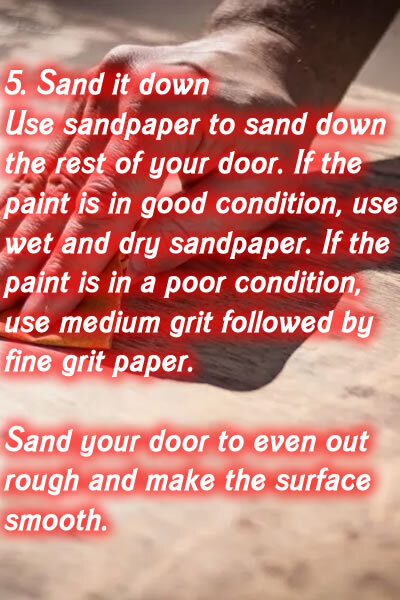
Sandpaper
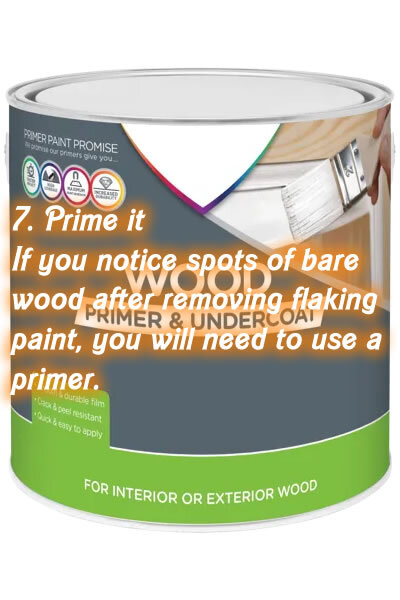
Primer and undercoat & filler if necessary
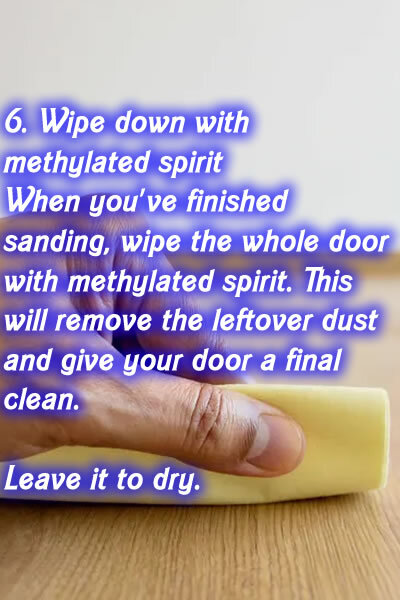
Methylated spirit
Topcoat paint
Paintbrush
How to paint a front door without removing it
You need to leave your front door open to let the paint dry so make sure you pick a warm spring day with no rain forecast.
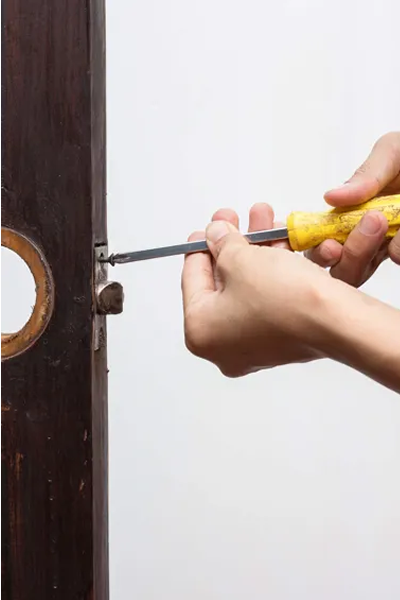
1. Remove the door hardware
Unscrew all the fixtures on your door including the number and letterbox. It’s much easier to remove these completely than have to test your brushwork and paint around them. Whatever you don’t or can’t remove, cover it with masking tape or decorator’s tape to protect it from paint.
If you tape the screws and fixtures together this will help you in the long run so your spending ages finding the right pairs when you have to reattach them.
If you have glass panels, use decorator’s tape to stick newspaper over the top so you don’t accidentally get paint on them. If you do, our paint is water-based so it will easily wipe off.
2. Clean the door
Use a diluted general-purpose household cleaner to scrub your door. Remove grease and dirt and then rinse it with clean water.
If you notice any algae or mould, you may need to use a stronger wood cleaner to remove them
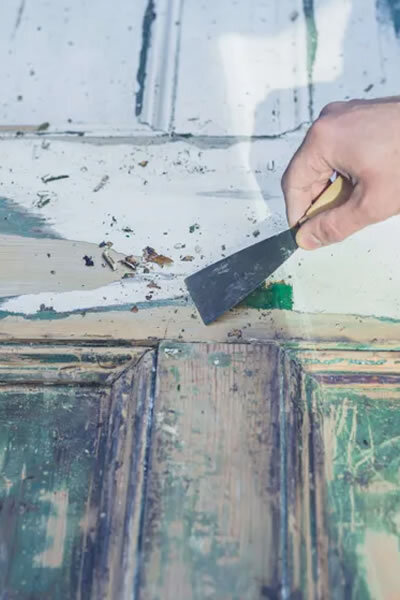
3. Scrape off old paint
If you’re repainting an old door, you will have to prepare the surface to get the best finish.
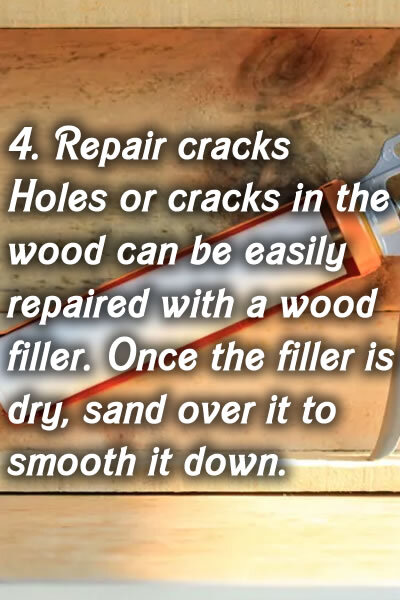
If there’s any flaking or bubbling paint use a flat scraper to get peel it off and make the surface smooth.
8. Changing colour?
If you’re drastically changing the colour like going from a dark colour to a light colour, you will need to apply an undercoat first. By doing this you’ll have to apply fewer coats in the long run to get the look that you want.
9. Apply the topcoat
Start with the panels and then paint the horizontal and vertical sections. Get the brush into every nook and cranny.
Leave the first coat and inspect your handiwork. If you think it needs another coat, wait for it to dry before applying. You need to leave the door open while it’s drying otherwise you may smudge the paint. Try folding up some cardboard to wedge underneath the door so it doesn’t move when it’s drying.
If you’re happy with the finished result, remove the tape while the paint is still wet.
10. Add fixtures
Screw the fixtures back on when your door has dried.
11. Painting the inside
If you want to paint the inside of your door too, you will need to use paint made for interior wood. Exterior paint is made to weather the outdoors whereas interior paints offer extra scrubbability and can be easily cleaned.
If you want to paint the inside of your door in the same colour, paint shops can colour match it for you so you don’t have a two-tone door.
Follow the same steps to paint the interior of your door.